Why rest days matter for your workouts
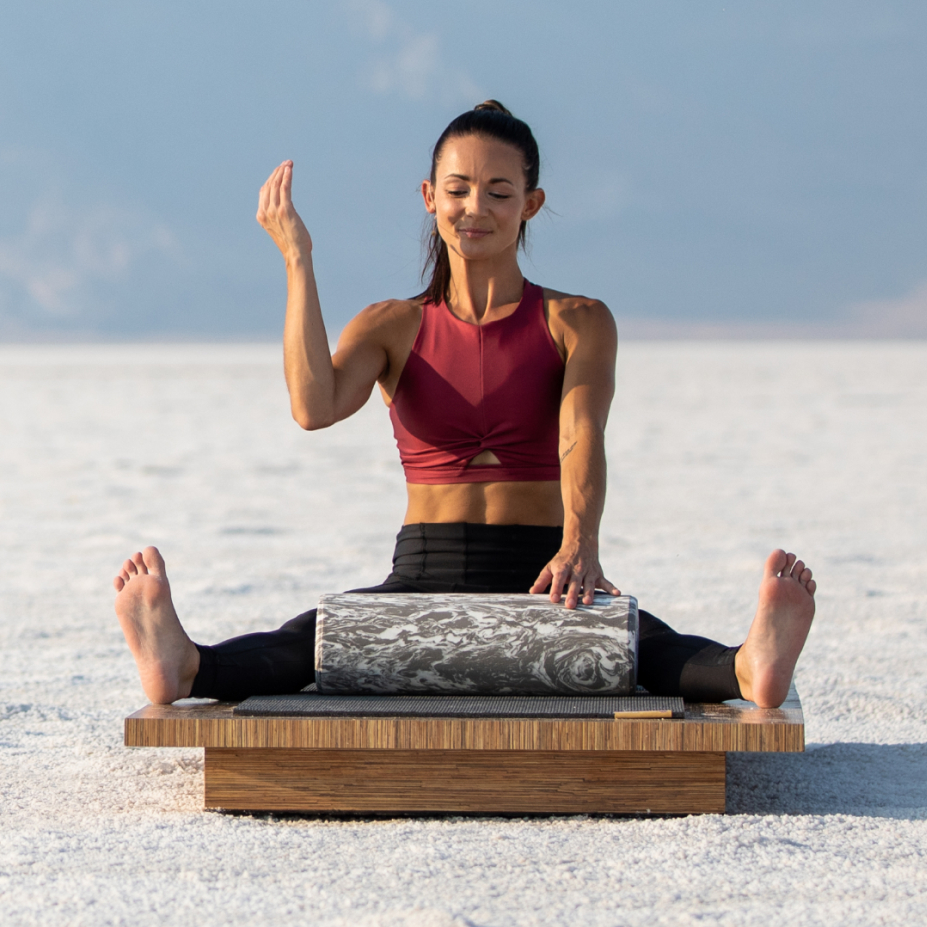
You don't get stronger during your workout. You get stronger after it. That's the mechanism. Training creates the stimulus. Recovery creates the adaptation. Skip the second part and you've done the hard work without collecting the payoff.
"Recovery is where strength grows" isn't permission to be lazy. It's a description of how bodies actually build strength.
What training does
A hard workout breaks things down. You leave the session weaker than when you arrived. Then your body repairs. It rebuilds the tissue slightly stronger than before, in case you ask for that effort again. It refills what you used.
That rebuilding happens during rest. Train again before that process finishes and you're breaking down tissue that hasn't finished rebuilding. Do that once and you're fine. Do it repeatedly and you stall out or get hurt.
This is why two people can follow the same program and get different results. Same workouts. Different recovery. The one sleeping seven hours and doing gentle movement between sessions adapts. The one training hard on four hours of sleep just accumulates fatigue.
Why more isn't more
The people who plateau usually aren't training too little. They're recovering too little.
You feel it before you can measure it. Workouts that used to feel good start feeling heavy. Motivation drops. Sleep gets worse instead of better. Small aches stick around longer than they should. You're putting in the same effort and getting less back.
There's a ceiling on how much your body can absorb. Past that point, more training doesn't produce more results. It just produces more fatigue. You're adding stress to a system that hasn't cleared the last round.
The frustrating part is that it looks like discipline. Training through exhaustion feels like commitment. But you can't out-discipline physiology. Your body adapts on its own schedule, not the one you'd prefer.
Rest days aren't days off
Lying on the couch counts as rest. But it doesn't do much for recovery. Gentle movement does more. It moves blood through tired tissue and keeps joints from stiffening up while you wait to feel better.
This is why active recovery beats total inactivity. You're helping the repair process along. Ten or twenty minutes is enough. This doesn’t have to be an overwhelming task to add to your to-do list.
The other benefit is information. When you move gently, you find out what's going on. Which side is tighter. What's still sore from Tuesday. What's not recovering the way it should. You don't get that from resting completely.
Rolling out what's stuck
Foam rolling addresses tissue that's gotten dense and stuck. Morning rolling wakes everything up. You've been still for eight hours. Tissue is stiff, circulation is low, and your nervous system is still half asleep. A few minutes of rolling before you move properly makes the whole day feel better.
It's uncomfortable in places. That's usually information about where you're holding the most. Not a reason to grind harder on the spot, but worth noticing. Rolling also works well before training. It's not a substitute for warming up, but it changes how tissue responds.
After you run
Running loads the same tissues over and over. Calves, hamstrings, hip flexors, IT bands. Thousands of repetitions of one movement pattern. Post-run recovery addresses those specific areas. Do it consistently and you avoid the accumulation that turns into shin splints, IT band pain, or a hamstring that never quite feels right. Most running injuries aren't sudden. They build over weeks while you ignore the early signals.
The hips and shoulders problem
Hips and shoulders are where things get stuck. Both are ball-and-socket joints designed for range of motion. Both spend most of the day not using it. Sitting shortens your hip flexors and switches off your glutes. Then you train on top of that. The tightness compounds. Your body finds ways to work around it, and those workarounds become habits.
Shoulders take a similar hit. Screens, desks, bags, stress. Your shoulders creep forward and up. Then you add pressing and pulling on top of a joint that's already restricted. Releasing these areas isn't cosmetic. Restricted hips change how you squat and run. Restricted shoulders change how you press overhead. Recovery here affects what you can do in training.
Breathing your way down
Training keeps your nervous system activated. Fine during the session. A problem if it stays that way. If you're wired after workouts, sleeping badly, or feeling stressed on rest days, your nervous system hasn't downshifted. And recovery mostly happens in that calmer state. Stay activated and repair slows down.
Breathwork moves you out of that state deliberately. Longer exhales signal safety. Your heart rate settles. Recovery processes get to work. A few minutes of breathing after training does more for recovery than you might expect. It's the difference between resting and actually recovering. It also carries over into sleep, which is where the majority of your repair happens anyway.
Making it happen
The reason people skip recovery isn't that they don't believe in it. It's that it never gets scheduled. Training goes on the calendar. Recovery is what you'll do if there's time left, and there never is.
You don't need all of it. Pick what matches what you did. Ran? Runner's recovery. Sat all day then trained? Hips. Upper body session? Shoulders. Wired and can't settle? Breathwork. Consistency matters more than duration here. Ten minutes four times a week beats an hour on Sunday. Your body responds to regular input.
Press play
Ready to make recovery part of your routine? Roll out your mat and press play. We have two hours of quick sessions you can take one at a time.
This week's featured Binge-Worthy Stretch & Recover playlist includes:
- Rise & Shine Foam Roller
- Runner's Recovery
- Press Pause Hips
- Healthy Happy Shoulders
- Pranayama Reset
Ten to twenty minutes each. Use them after a workout, on a rest day, or whenever your body's asking for it. You can turn on this playlist from anywhere, so recovery options are always there for you when you need them.

A Gentle Practice for Moving Stuck Energy
Energy blocks sound abstract until you notice how often you already feel them. The tight chest when anxiety hits. The knot in your stomach under stress. Shoulders climbing toward your ears when everything piles on. These

YogaToday Blog: How to Get On the Mat More Consistently
Most fitness advice tells you to push harder. Do more. Suffer through. But real power comes from showing up consistently. You can claim your space and take up the room you need to take care of yourself.

The truth about mindful weight loss: Why awareness beats willpower
Weight loss advice tells you what to do but never how to actually listen to your body. Every diet promises the same thing: follow our rules and find a way to push through.