Stretch, Laugh, Connect: Movement Practices for Families
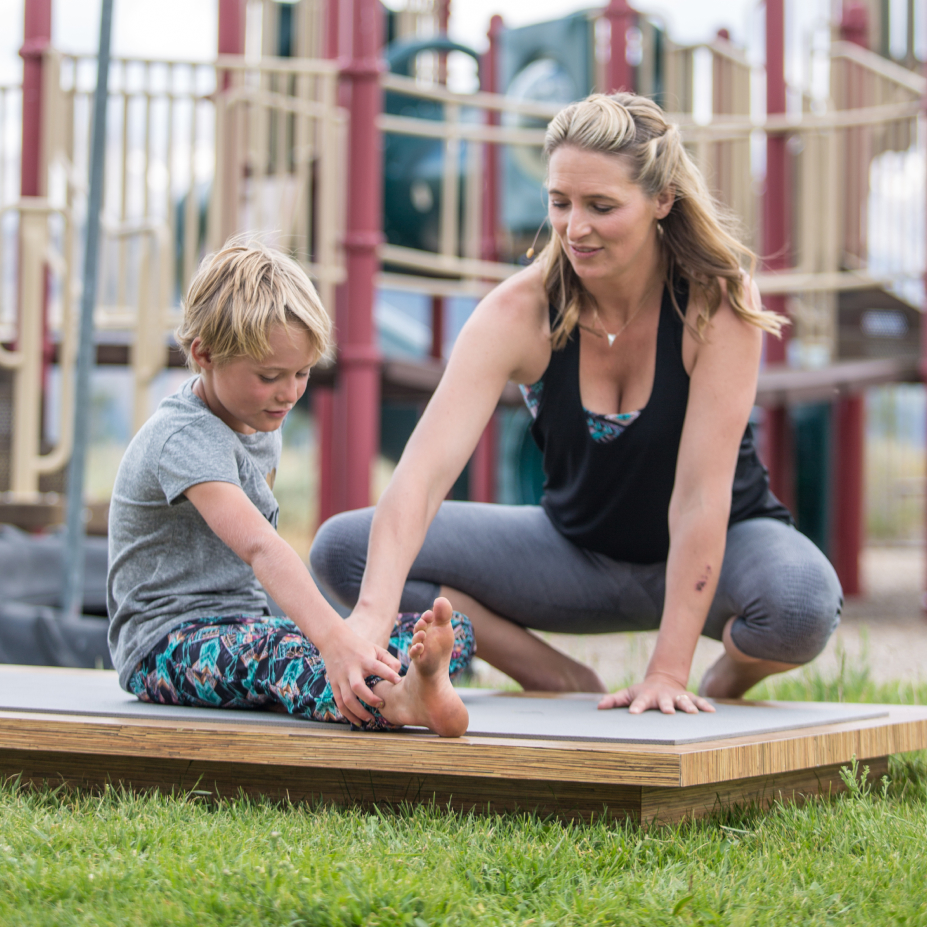
Family time gets squeezed between schedules and everyone's rushing to different activities. Eating dinner while checking phones. Passing each other in hallways without really connecting. “Stretch, laugh, connect” is a different take on family time. It brings movement, fun, and time together into something people look forward to.
Why families need to move together
Kids sit at school all day and come home and sit for homework. Then park themselves in front of a screen. And everyone wonders why they're bouncing off the walls. Adults aren't much better. Most of us are hunched over laptops all day. Our necks and shoulders are paying for it.
When families move together, everyone gets what they need. Kids get to be physical and silly. Adults get to release tension and be present. Everyone gets to connect without the distractions that usually pull attention in different directions.
Movement creates natural opportunities for laughter. Someone wobbles in a balance pose. A partner pose doesn't go as planned. Kids make funny sounds during breathing exercises. This laughter is connection. Stress relief. Exactly what busy families need more of.
Energy that works for everyone
Kids don't get enough physical activity during the day. Recess is short. PE class is once or twice a week. Sports are seasonal. Daily movement practice builds the habit of using their bodies in healthy ways.
Quick energy burns work for adults too. Even five minutes of moving around helps you shake off the day. And for kids, keep it fun. They don't want another activity where they have to do everything right. They just want to move around and be loud about it.
Teaching kids to wind down
Wind-down practices for kids teach them that their bodies have different energy levels throughout the day. That it's normal to feel energized sometimes and calm other times. That they have tools to shift between these states.
Many kids struggle with transitions. Going from high energy to sleep time without any in-between steps. Wind-down practices create that bridge. Help kids' nervous systems gradually shift from active to restful.
These practices also teach kids to pay attention to what their bodies are feeling. Are they tired or wired? Calm or anxious? This body awareness is a skill they'll use their whole lives.
Parents benefit from wind-down practices too. After a long day of taking care of everyone else, gentle movement helps you transition into evening mode. Less reactive. More patient. More present.
What teens need
Teens are dealing with bodies that are changing rapidly. Emotions that feel overwhelming. Social pressure that's constant. They need tools for managing stress, but they won't use anything that feels babyish or forced.
Teen practices teach them to check in with themselves. To notice when they're stressed before they explode. To recognize what they need in different moments. This awareness matters when everything feels like it's shifting under their feet. Meditation for teens doesn't have to mean sitting cross-legged in silence. It can be five minutes of breathing with movement, or focusing on one specific sensation.
The thing with teens is that none of this works if it feels forced. These have to be tools they pick up when they want to, not assignments. You have to meet them where they are, not where you think they should be.
Partner practices that work
Partner yoga creates connection without requiring deep conversation. Sometimes families connect better through shared activity than through talking. Moving together. Supporting each other's balance. Laughing when things don't go as planned.
Calming partner flows work well after stressful days when everyone needs to decompress but still wants to be together. You're sharing space and movement without having to process emotions or solve problems.
Handstand partner practices bring out everyone's playful side. Kids get to show off. Adults get to be silly. Everyone gets to challenge themselves in a low-pressure way. The goal isn't perfect handstands. It's trying something together.
Partner practices teach trust and communication. You have to listen to each other. Support each other. Adjust when something isn't working. These are skills that transfer to other areas of family life.
Acroyoga brings out the play
Acroyoga combines yoga poses with partner acrobatics. One person lies on their back supporting the other person who balances on their feet. It looks complicated but starts simple. It's playful in a way that regular yoga sometimes isn't.
Kids love acroyoga because it feels like flying. Adults love it because it requires focus that takes your mind off everything else. It's impossible to worry about work deadlines when you're trying to balance someone on your feet.
Learning to fly in acroyoga builds confidence. For the person balancing, it's about trusting your partner and finding your center. For the person supporting, it's about clear communication and steady presence. Both people learn something valuable.
The progression from basic poses to more advanced ones gives families something to work toward together. Not in a competitive way. In a collaborative way. Everyone succeeds when everyone contributes.
Making it sustainable
Family movement practices work best when they're short and flexible. Ten minutes after school. Five minutes before dinner. Fifteen minutes on weekend mornings. Fitting into your actual schedule instead of requiring a complete routine overhaul.
Not everyone has to participate every time. Some days it's just you and one kid. Other days it's the whole family. Sometimes it's parents while kids watch and occasionally join in. All of these count.
The goal isn't perfect practice. It's regular connection. Sometimes you'll have focused sessions where everyone is engaged. Other times someone will be silly or distracted. Both are fine. Both are better than no shared movement at all.
Consistency matters more than duration. Three minutes every few days creates more benefit than hour-long sessions once a month. These practices work by becoming part of your family culture, not by being another obligation.
Your family's movement practice
Start with what feels most appealing to your family right now. High-energy kids might love quick energy burns. Stressed teens might gravitate toward meditation. Playful families might jump straight into partner poses.
Ready to stretch, laugh, and connect? Start with five minutes and see what happens. Our Family series is designed to enjoy with your partner, kids, or the whole family. Make yoga and wellness a family affair

A Gentle Practice for Moving Stuck Energy
Energy blocks sound abstract until you notice how often you already feel them. The tight chest when anxiety hits. The knot in your stomach under stress. Shoulders climbing toward your ears when everything piles on. These

YogaToday Blog: How to Get On the Mat More Consistently
Most fitness advice tells you to push harder. Do more. Suffer through. But real power comes from showing up consistently. You can claim your space and take up the room you need to take care of yourself.

The truth about mindful weight loss: Why awareness beats willpower
Weight loss advice tells you what to do but never how to actually listen to your body. Every diet promises the same thing: follow our rules and find a way to push through.