Precision vs. intensity: Which builds real strength?
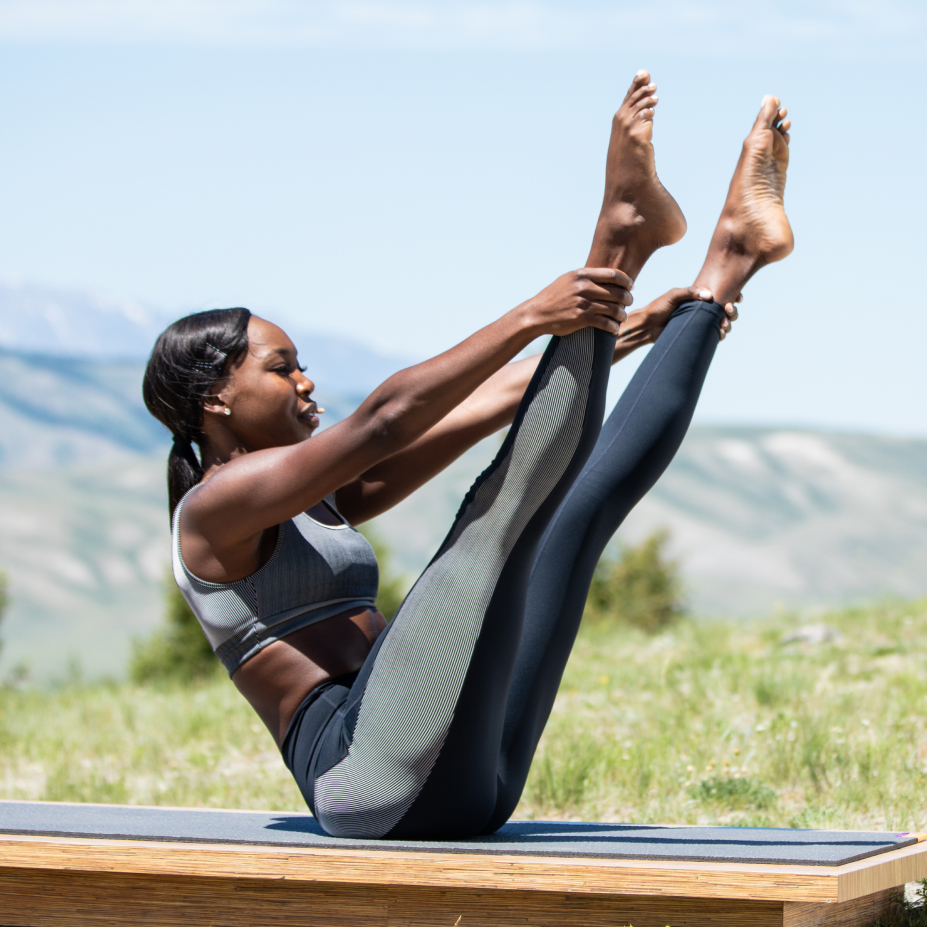
Most fitness culture worships intensity. Sweat more. Lift heavier. Go faster. Push harder. If you're not exhausted, you're not working hard enough.
But precision builds more strength than intensity ever could. "Precision is power" challenges the idea that workouts have to be brutal. Strength is built with controlled movement. Quality over quantity gets you closer to your goals.
Understanding the intensity trap
High-intensity workouts hide bad movement. When you're moving fast or lifting heavy, you can't feel what's happening. Muscles may be working when they shouldn't and not supporting your goals.
Still, you get strong in some places. Intensity tricks you into thinking you're getting better when you're not. More reps. Heavier weights. But your form is getting worse and you're not building strength.
The intensity trap leads you to believe that discomfort equals results. That if it doesn't hurt, it's not working. This mentality leads to burnout. It’s the kind of exhaustion that makes you want to quit.
What precision builds
When things get fast or heavy, your body’s goal is simple: finish the rep. It’ll shift, compensate, and recruit whatever muscles it needs to get there. That’s not always obvious in the moment. But it’s why certain areas keep getting stronger while others stay underused.
Slowing things down takes that option away. You can’t hide behind momentum or load. If something isn’t working the way it should, you feel it right away. That’s where the real work starts.
You start to connect things like how your core supports a movement. It’s less about “activating the right muscle” and more about getting your body to work as a system. You notice it outside the gym. Movements feel more stable, not because you’re trying harder, but because your body is organized better.
It’s not as flashy as pushing heavier weights or doing more reps. But it’s usually the difference between short-term progress and what works in the long term.
How Pilates embodies precision
Pilates is a low-impact form of exercise. It builds strength and improves alignment. It centers on the core, using slow, controlled movements and breath to help you move with more stability. Core stability through precise engagement creates strength that supports your entire body. This creates core strength that improves everything else you do.
Upper body sculpting through controlled movements builds strength without bulk. You're learning to engage muscles through their full range of motion. All while having perfect control.
Glute strengthening through precise activation teaches these powerful muscles to fire correctly. Many people have strong glutes that don't activate properly. Precision training wakes up dormant patterns. Creates strength that actually functions.
Even cardio can be precise. High-intensity intervals with perfect form challenge your cardiovascular system while reinforcing good movement patterns. And recovery work done precisely teaches your body to release tension efficiently. You learn to actively lengthen muscles while maintaining stability. This active recovery builds strength while you're stretching.
The discipline of precision
Precision requires discipline that intensity doesn't. It's easier to push hard than to move perfectly. It’s easier to go fast than to go slow with control. This discipline is mental as much as physical. Precision demands presence. You have to be fully engaged with what you're doing.
The discipline of precision requires patience and your results come more slowly but last longer. You can't force precise movement. You have to listen. Adjust. Then, respond to what your body is telling you. This builds a different relationship with exercise. With your body.
Why quality over quantity always wins
Ten perfect repetitions create more strength than fifty sloppy ones. Every rep with ideal form reinforces correct movement patterns. When form breaks down, you're teaching your body to move incorrectly.
Doing fewer movements well will take you further than running through a long list without much control. If your form is off, more reps just reinforce that. Cleaning up a handful of movements usually does more than trying to do everything at once.
Slowing things down also changes where you build strength. When you control the lift and the return, you spend time in the parts of the movement that usually get rushed or skipped. That’s where a lot of the stability comes from and where things tend to break down if you don’t train it.
Precision prevents compensation patterns. When you move too fast or lift too heavy, your body finds ways to cheat. These compensation patterns become habits that limit your strength.
Building real strength
Real strength isn't just about how much you can lift or how many reps you can do. It's about how efficiently you can move. How stable you feel. How much control you have over your body in various positions and situations.
This requires coordination between different muscle groups. Stability in some areas while creating mobility in others. The ability to generate force when needed and relax when it's not. This complexity can't be built through intensity alone.
Precision training builds the kind of strength that makes daily activities easier. Lifting groceries. Playing with kids. Carrying luggage. Sitting at a desk without pain. This practical strength matters more than gym strength.
When intensity has its place
Intensity isn't inherently bad. It has its place in a well-rounded program. But it should be built on a foundation of precise movement patterns. Intensity without precision is just controlled chaos. Use intensity to challenge systems that are already moving well. If your squat form is perfect at bodyweight, adding load or speed can be beneficial.
Intensity can be motivating and fun when used appropriately. The key is ensuring that precision doesn't break down when intensity increases. The moment form deteriorates, it's time to decrease intensity.
Your precision practice
Start with movements you can perform perfectly. Build competency before adding complexity. Focus on how movement feels rather than just how it looks. Can you feel the right muscles working? Are you stable through your core? Is your breathing coordinated with your movement?
Slow down enough to notice what's happening in your body. Precision requires awareness. Awareness requires attention. If you're moving too fast to feel what's happening, you're missing the point.
Precision is your power
Precision builds strength that lasts because it addresses the foundation of movement. Instead of just making muscles bigger or movements faster, precision makes your entire system more efficient. The power of precision extends beyond the gym. The discipline and awareness you develop through precise movement transfers to everything else.
Ready to discover what precision can do for your strength? Try this week’s featured playlist. Camai infuses creativity into each session. Her teachings are inclusive as she champions diversity and wellness for all.

A Gentle Practice for Moving Stuck Energy
Energy blocks sound abstract until you notice how often you already feel them. The tight chest when anxiety hits. The knot in your stomach under stress. Shoulders climbing toward your ears when everything piles on. These

YogaToday Blog: How to Get On the Mat More Consistently
Most fitness advice tells you to push harder. Do more. Suffer through. But real power comes from showing up consistently. You can claim your space and take up the room you need to take care of yourself.

The truth about mindful weight loss: Why awareness beats willpower
Weight loss advice tells you what to do but never how to actually listen to your body. Every diet promises the same thing: follow our rules and find a way to push through.